
Skip to content

#51 Using a Reverse Mortgage to “Divide” Up the Most Indivisible of Assets

DIVVYING UP A HOME DURING DIVORCE? A REVERSE MORTGAGE OFFERS OPTIONS

David Garrison
Home Equity Retirement Specialist
NMLS # 1595194
Serving the State of Indiana
p (317) 644-2595 c (765) 516-0130
e [email protected]

2169 East Rutland Lane, Martinsville, IN 46151
Corporate NMLS #1025894

The original plan had been of the “till-death-do-us-part” variety, yet here the two of you are, both well into your sixties, on the cusp of one of those amicable “gray divorces”. You’ve pretty much agreed on how to divide up the furniture, the office and sports equipment, as well as the joint cash and investment accounts. You each receive pension income and both of you will, in a year or two, qualify for social security benefits. What’s more, you both plan to continue running (at least for a while in your case) your respective home-based consulting practices.

The sticking point in the “master plan” appears to be the residence. While your home holds many memories for the two of you and for your now adult children, neither one of you feels willing, or even able, to shoulder the upkeep of this big a property simply in order to host the children and their offspring on holiday visits. Your spouse, in fact, is talking about moving out-of-state once the divorce is finalized. You, on the other hand, plan to reside within, or at least near, your current neighborhood.

There are two ways in which a reverse mortgage strategy might be of use to you in “divvying up the indivisible”. First, assuming neither of you plans to remain in the current home, list it for sale, then split the proceeds. Meanwhile, you apply for approval for a HECM for Purchase (Home Equity Conversion Mortgage) loan, which will be used towards a home or even a condominium of your choice. With a significant portion of the purchase price covered by the reverse mortgage, plus no monthly mortgage payments to make, a large portion of your share of the proceeds from your current home can go towards supporting your lifestyle going forward.

Should you decide, after all, that you’d prefer to spend your once-again-single future staying put, once the divorce is finalized, you might apply for a reverse mortgage on this home, relieving yourself of monthly mortgage payments while preserving the homestead for those visits from the kids and grandkids.

Divvying up a home during divorce? A reverse mortgage offers options!

https://mutualreverse.com/david-garrison

#50 Using A Reverse Mortgage To Finance Long-Term Care (LTC) Premiums

AGING IN PLACE STARTS AS EARLY AS NOW

David Garrison
Home Equity Retirement Specialist
NMLS # 1595194
Serving the State of Indiana
p (317) 644-2595 c (765) 516-0130
e [email protected]

2169 East Rutland Lane, Martinsville, IN 46151
Corporate NMLS #1025894

Hopefully, your list of “daily living activities” includes things such as dancing, golfing, cooking favorite dishes and winning at cards. Odds are, however, as the U.S. Department of Health and Human Services cautions, that as you age, you’ll need at least some assistance with what they define as Activities of Daily Living – bathing, dressing, feeding, ambulating, and continence management.  That kind of assistance with routine needs is offered at a myriad of assisted living facilities and nursing homes, but you, like a steadily growing number of people planning their retirement, envision “aging in place” right in your own home. 

Because assistance with ADLs not covered by either regular health insurance or by Medicare, purchasing long term care insurance is one of the best ways to prepare for those healthcare costs. However (as Tevye bemoaned in Fiddler on the Roof), “It isn’t easy!” Premiums for long term care insurance policies are in the four figures annually, and are often subject to rate increases over the years. 

A reverse mortgage can be the answer, providing income to pay those premiums – or to prevent your long term care insurance policy from lapsing. Your mortgage can be set up as a growing line of credit, becoming your safety net in the event of rising premium costs.  You may opt for a monthly or quarterly cash inflow to cover premium costs beginning at retirement or postpone withdrawals until needed. It will be comforting to realize that, with your reverse mortgage in place, during those inevitable “down market “periods, there will be no need to put further strain on your investment portfolio assets.

Aging in place – and in style – starts with good planning now!

https://mutualreverse.com/david-garrison

#49 Using A Reverse Mortgage To Finance Home Renovations

HOME RENOS ENABLE AGING IN PLACE

David Garrison
Home Equity Retirement Specialist
NMLS # 1595194
Serving the State of Indiana
p (317) 644-2595 c (765) 516-0130
e [email protected]

2169 East Rutland Lane, Martinsville, IN 46151
Corporate NMLS #1025894

According to experts, it’s now easier – physically, financially, and emotionally – to pursue a cosmetic surgery treatment than ever before. The same might be said for home improvements. Whether you’re updating indoor or outdoor features of your home in order to maintain its market value, or simply preparing your environment to be more aging-friendly during retirement, a reverse mortgage is one strategy that can help you afford those home projects.

After checking out the cost of various retirement community living options, you realized that you cherish the memories created in your own home. Like the growing number of other seniors and soon-to-be seniors, you’ve decided to stay put, ready to check out ways to make your home safer and more functional as you contemplate the years ahead .By implementing home modifications, you want to be able to maintain your independence, and even, in the long run, save a substantial amount of money.

Outdoors, roof repairs and replacements are one important use of the funds released through a reverse mortgage. Indoors, kitchen and bathroom renovations are common. There are now contractors who are specifically trained to do aging in place home remodeling, certified through the National Association of Homebuilders.

A reverse mortgage can be used to tap into the equity in your home to finance those home “renos” so important to the success of your retirement planning. Renovations offer a double benefit: Not only will you have a safer, more convenient environment in which to spend your retirement years, the home’s market value will potentially increase. That’s a true win-win!

https://mutualreverse.com/david-garrison

*Borrower must occupy home as primary residence and remain current on property taxes, homeowner’s insurance, the costs of home maintenance, and any HOA fees.

#48 Using A Reverse Mortgage To Buy A Place For Wintering In The Sun

SNOWBIRDING MADE SIMPLE WITH A REVERSE

David Garrison
Home Equity Retirement Specialist
NMLS # 1595194
Serving the State of Indiana
p (317) 644-2595 c (765) 516-0130
e [email protected]

2169 East Rutland Lane, Martinsville, IN 46151
Corporate NMLS #1025894

Like so many other older adults, you cherish the memories you’ve created in Indiana, and have decided to spend your retirement years here in your Hoosier home.  Still, as each winter approaches, prospects of snow shoveling and blistering winds – not to mention the risk of falling on icy ground – have you thinking about owning a second home in a sunnier climate, becoming, like so many of your friends, a “snowbird”.

While you may well have the resources to make a substantial down payment on a winter home in a warmer climate, perhaps even enough to totally finance the cost of a second residence, you’re reluctant to deplete your retirement assets or overhaul your investment strategy. A reverse mortgage might offer the perfect solution.

In fact, one of the uses of an FHA-insured reverse mortgage involves eliminating the monthly mortgage payment on your existing home, then using the reverse mortgage proceeds to make conventional mortgage payments on a winter home in a warmer location. And, if you are in the enviable position of having a paid-up mortgage on your present home, those reverse mortgage proceeds might well be enough to allow you to pay all cash for that second home, all without affecting your investment portfolio.

You understand that, while there will be no mandatory monthly mortgage payment on the reverse mortgage on your primary home, you’ll continue to be responsible for property taxes, homeowners insurance, and home maintenance costs year-round, even during the months you’re off to sunnier climates.

Think about it – if just imagining those long walks on the beach, riding a bike in the early evenings – all winter long – is enough to bring a smile to your face, you might just be ready to become a Snowbird.

https://mutualreverse.com/david-garrison

#47 Using A Reverse Mortgage To Avoid Depleting Savings

REVERSE MORTGAGE HELPS AVOID THE ONE BIG RETIREMENT NO-NO

David Garrison
Home Equity Retirement Specialist
NMLS # 1595194
Serving the State of Indiana
p (317) 644-2595 c (765) 516-0130
e [email protected]

2169 East Rutland Lane, Martinsville, IN 46151
Corporate NMLS #1025894

In “5 ways to help protect retirement income,” Fidelity Viewpoints lists 4 to-dos and 1 big don’t. What’s the big no-no? Withdrawing too much from savings. Spending your savings too rapidly can put an entire retirement plan at risk, and maintaining a sustainable withdrawal rate is paramount. But with today’s historically low interest rates, “sustaining” that 3-4% traditionally recommended retirement withdrawal rate has become a major challenge.

https://www.fidelity.com/viewpoints/retirement/protect-your-retirement-income

Reverse mortgage can become a “buffer” asset, helping to support your spending needs. And, since the “return” on your mortgage asset is not correlated with either stock or bond market results, your line of credit it can be relied upon when your portfolio is simply failing to “do the trick”, “tiding you over” during market downturns – or when unexpected expenses arise.

You may not have an immediate need for funds, and it is reassuring to realize that you pay no interest on un-borrowed funds. Unlike a regular line of credit at a bank, with a reverse mortgage line of credit, as long as you have a remaining balance, your line of credit can never be frozen or closed. What’s more, the unused portion of your credit line grows, using the same rate at which the loan accrues interest! (plus the ½% on going MIP) It’s no wonder that the line of credit has become the most popular way for borrowers to use a reverse mortgage.

You’ve worked hard to accumulate those retirement assets. Now a reverse mortgage line of credit can help you avoid that one big retirement planning no-no.

https://mutualreverse.com/david-garrison

Not intended as financial planning advice. Please consult a financial advisor

#46 Using A Reverse Mortgage As An Investment Buffer

REVERSE MORTGAGE BUFFERS INVESTMENT RISKS

David Garrison
Home Equity Retirement Specialist
NMLS # 1595194
Serving the State of Indiana
p (317) 644-2595 c (765) 516-0130
e [email protected]

2169 East Rutland Lane, Martinsville, IN 46151
Corporate NMLS #1025894

No doubt about it – when it comes to living off your retirement savings, the “big bad wolf” is called Sequence of Returns. Now, you’re no stranger to the stock and bond markets – after all, you’ve been putting money into your investment portfolio for as long as you can remember. But now, you realize, the time has come to begin systematically withdrawing funds from your investments in order to supplement your Social Security benefits and to pay for both basic living expenses and those lifestyle luxuries you’ve been waiting to enjoy.

Over the years, you’ve become accustomed to the regular ups and downs in the investment markets, and you’ve not been too much of a Nervous Nellie about it, either. You’ve seen the “peaks and valleys”, following the news about the ups and downs of the market, all while mitigating the worst effects of those “downs” by diversifying your holdings. In fact, you’d come to conclude, it didn’t matter so much when those market ups or downs occurred – you just kept investing, confident that the general trend would continue on its historical upward trajectory.

Now that you’re periodically taking money out of the portfolio, however, the timing of returns is likely to matter a whole lot more. Uh-oh. If a high proportion of negative investment returns should happen to occur in the beginning years of your retirement, selling investments to support your cash flow needs could quickly dissipate the assets needed to sustain withdrawals in later years. You need a buffer, one that doesn’t involve taking assets out of the market just when those assets need to work their hardest for you.

Buffer assets are those available outside your financial portfolio, assets to support spending during periods when your investments are in a “down” period. A reverse mortgage line of credit, since it is not vulnerable to stock market unrest, could be there to provide the stability of income you’ll need throughout your retirement years.

Structured as a home equity line of credit, your reverse mortgage, in short, won’t let the big bad Sequence of Returns wolf blow your retirement down!

https://mutualreverse.com/david-garrison

Not intended as financial planning advice. Please consult a financial advisor

#45 Using A Reverse Mortgage To Make Charitable Gifts

REVERSE MORTGAGE FEES CHARITABLE DOLLARS NOW, NOT LATER

David Garrison
Home Equity Retirement Specialist
NMLS # 1595194
Serving the State of Indiana
p (317) 644-2595 c (765) 516-0130
e [email protected]

2169 East Rutland Lane, Martinsville, IN 46151
Corporate NMLS #1025894

For all of your adult life, to the extent your means permitted, you’ve been a “giver” to charity. As part of your estate plan, in fact, you’ve arranged for gifts to be made to several different religious, humanitarian, and educational organizations. You’d like to do even more, but now that you’re retired, you know it will be prudent to preserve your resources in case future medical or other unexpected costs arise.

Problem is, as you’ve been made aware, the pandemic has created a major emergency for at least one organization to which you’ve been contributing annually. That charity needs supporters’ help now, not someday, in order to help keep hunger at bay for families where breadwinners have lost employment. Knowing how dire the situation is, you’re moved to make a substantial contribution today, but you’re looking for a way to do that without putting your own financial future in jeopardy. The equity in your own home could very well be the key.

A Home Equity Conversion Mortgage HECM line of credit frees up the equity you’ve built up in your primary residence. You can easily tap that guaranteed, growing line of credit to make a meaningful donation to charity, doing so without tapping any of the investment or savings resources you want to have available for medical or other costs that may arise. Meanwhile, the unused portion of your reverse mortgage revolving line of credit can continue to grow.
Simply put, a reverse mortgage can enable you to free up those charitable dollars – now. You can help in the fight against hunger – now, yet preserve your other resources for future contingencies later.

https://mutualreverse.com/david-garrison

Borrower must occupy home as primary residence and remain current on property taxes, homeowner’s insurance, the costs of home maintenance, and any HOA fees.

#44 Using A Reverse Mortgage To Add Portfolio Diversification

REACTIVATING STATIC ASSETS TO IMPROVE PORTFOLIO DIVERSIFICATION

David Garrison
Home Equity Retirement Specialist
NMLS # 1595194
Serving the State of Indiana
p (317) 644-2595 c (765) 516-0130
e [email protected]

2169 East Rutland Lane, Martinsville, IN 46151
Corporate NMLS #1025894
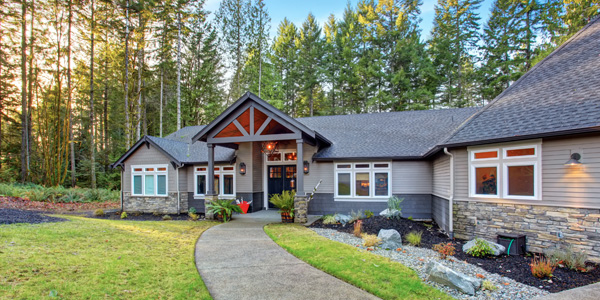
As a first step in launching the next great phase of your life, you’ve recently accepted an early (at least earlier than you’d originally planned!) retirement buyout offer from your employer.You’d spent the past thirty-plus years accumulating memories at that company, while also accumulating substantial holdings in its common stock. And, since the awarding of even more equity was part of the buyout package, you realize that your investment position in this one stock now comprises well over half your entire portfolio.

While you consider yourself to be basically non-skittish, the type of investor who takes the long view of the investment markets,  that lack of diversification troubles you, particularly since you’re aware of certain industry developments that you suspect were behind your employer’s decision to execute a reduction in force in the first place. Liquidating shares is an option, of course, but the capital gains tax is a burden you’re reluctant to shoulder, at least not until you’ve “gotten your bearings” as a retirement “newbie”.

There is one asset you may not have considered as you launch your retirement strategy – the equity in your own home. Using a Home Equity Reverse Mortgage Line of Credit, you can begin to add assets to your stock portfolio. By selecting industries that are negatively correlated with the one from which you’ve just retired, you enhance the safety – and the growth potential – of your overall holdings. And with no tax liability triggered as you draw on your non-recourse loan, you accomplish diversification without needing to liquidate large chunks of your ex-employer’s stock.

Through a reverse mortgage strategy, you draw upon a now asset in order to effect dynamic improvement in another!

Not intended as financial planning advice. Consult a financial advisor

https://mutualreverse.com/david-garrison

#43 Using A Reverse Mortgage To Pay Adult Kids’ College Debt

RESCUING ADULT KIDS FROM NEVER-ENDING COLLEGE DEBT

David Garrison
Home Equity Retirement Specialist
NMLS # 1595194
Serving the State of Indiana
p (317) 644-2595 c (765) 516-0130
e [email protected]

2169 East Rutland Lane, Martinsville, IN 46151
Corporate NMLS #1025894

Like many of your friends, you’ve tried to help fund the grandchildren’s college costs by making gifts over the years and by contributing to educational savings accounts in each one’s name. Now, though, with the pandemic’ having affected careers and increased household costs, you realize there may be a bigger issue – your children are still laboring to pay off their own lingering college loan debt! (They are hardly alone in this problem; you’ve been reading articles about the fact that student loans are one of the highest sources of debt for Americans.) But these are kids under pressure, and you’ve been wondering how – and to what extent, you can help.

In fact, this isn’t the first time you’ve thought about the issue of lingering college debt. You’ve included student loan payoffs as part of your legacy to your children after your death. But, seeing your adult children’s household income severely reduced over this past year, your instinct is to find a way to provide more immediate help. At the same time, you realize, you have to consider the impact that financial help might have on your own retirement finances.

Consider coming at the issue “in reverse”, using the equity you’ve built up in your primary residence to help your children get out from under. With a Home Equity Conversion Mortgage, or HECM, you will be able to tap a guaranteed, growing line of credit, using the funds to bring meaningful relief to your children now, when the pressure of financial uncertainty is greatest for them. Most important, you will be in a position to offer that help without tapping the investment or savings resources you want to have available for your own needs.

Using a reverse mortgage to help relieve your children’s long-standing student debt burden is one way of making a gift of education after-the-fact!

tps://mutualrevcopy.wpengine.com/david-garrison